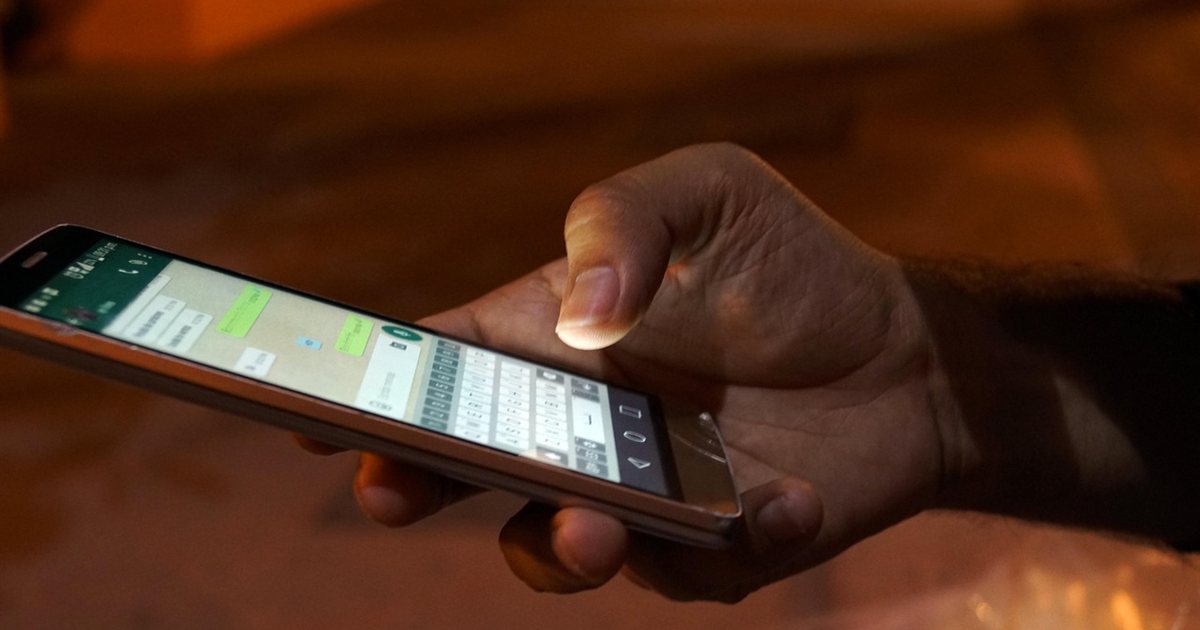
Procrastination is not a time-management problem, and it is not laziness. You do not need a better planner or a sharper sense of urgency — you need to understand what procrastination actually is: a failure of emotion regulation. The task you are avoiding makes you feel something unpleasant, and your brain has found an efficient way to stop feeling that thing, at least for now. That the relief is temporary and the cost is compounding does not make the relief any less real in the moment.
The emotion behind the avoidance
The key insight from researchers including psychologists Timothy Pychyl and Fuschia Sirois is that people do not procrastinate on tasks they find neutral or pleasant — they procrastinate on tasks associated with negative feelings. Those feelings vary by person and task: anxiety about getting it wrong, boredom with something that feels pointless, self-doubt about whether you are capable, frustration with a task that is unclear or blocked, and sometimes plain resentment that it exists at all.
When you open a browser instead of the spreadsheet, you are not choosing idleness over productivity. You are choosing a mood repair. The substitution works — avoidance reliably reduces the unpleasant feeling in the short term, which is precisely why the brain keeps offering it as a solution.
Why the brain is wired this way
The underlying mechanism is well-established. The brain's limbic system — the older, faster, emotion-driven part — prioritises immediate reward and comfort. The prefrontal cortex handles planning, delayed gratification, and long-term goals. These two systems are in constant negotiation, and when a task feels aversive, the limbic system often wins.
Layered on top is what economists and behavioural scientists call present bias, or temporal discounting: humans reliably overvalue rewards available now and undervalue the same rewards in the future. This is not unique to chronic procrastinators — it is a feature of how human cognition handles time. A task completed today and a task completed next week feel very different to the brain, even when the outcome is identical. The future version of you who has to deal with the consequences feels comfortably remote.
Piers Steel's 2007 meta-analysis in Psychological Bulletin — one of the most comprehensive reviews of procrastination research to date — synthesised decades of studies and confirmed this picture: procrastination is not about time management, it is about the interaction between task aversiveness, impulsiveness, and the perceived distance of deadlines and rewards.
Here is the cruel design flaw. Procrastinating does not eliminate the negative feeling — it adds a second one: guilt. The task still exists, the deadline is closer, and now you also feel bad about having avoided it. That guilt makes the task feel more aversive. Which makes you more likely to avoid it. Which produces more guilt. The loop is self-reinforcing, and it is why procrastination tends to get worse the longer it goes on, not better.
Why beating yourself up makes it worse
The obvious response to the guilt loop is self-criticism: you berate yourself for procrastinating, hope that shame will motivate action, and then find that the shame mostly just adds to the weight of the task. Research by Fuschia Sirois has found something counterintuitive here: self-compassion — forgiving yourself for having procrastinated rather than punishing yourself for it — actually reduces future procrastination.
The mechanism makes sense once you understand the emotion-regulation model. Self-criticism increases the negative feelings associated with the task. Self-forgiveness reduces them. A lighter emotional load makes the task less aversive, which reduces the urge to avoid. The path forward is not to feel worse about past avoidance — it is to feel neutral enough about the task to start it.
What actually helps
Because procrastination is an emotional problem, time-management solutions (colour-coded calendars, productivity apps, stern self-reminders) tend to underperform. Strategies that address the underlying feeling work better:
- Shrink the starting cost. The aversion is usually strongest at the moment of beginning. A "two-minute version" of the task — just open the document, just write one sentence, just find the form — lowers the activation energy enough that momentum often does the rest. You are not committing to finishing; you are committing to starting.
- Use implementation intentions. Research consistently shows that deciding in advance exactly when, where, and how you will do something dramatically increases follow-through. The format is specific: "When it is 9am and I have had coffee, I will write one paragraph of the report." This removes the in-the-moment decision — and the in-the-moment negotiation with your limbic system.
- Reduce friction and remove alternatives. The easier it is to start the task and the harder it is to access the distraction, the more likely you are to do the task. Putting your phone in another room is not willpower — it is engineering.
- Temptation bundling. Pair the unpleasant task with something you genuinely enjoy — a specific playlist, a good coffee, a comfortable spot — so that the task itself becomes associated with something rewarding. You are not bribing yourself; you are changing the emotional valence of the experience.
- Self-forgiveness, not self-flagellation. Acknowledge the past avoidance without punishing yourself for it, and redirect attention to what you can do now.
The reframe that changes everything
The most useful single shift in how to think about procrastination is this: you are not managing time, you are managing the feeling the task gives you. A task you find genuinely interesting never needs to go on a to-do list — you just do it. A task you dread will resist every productivity system ever invented until you either change how the task feels or lower the cost of starting it enough that the limbic system stops protesting.
That is not an excuse to avoid things indefinitely. It is an accurate diagnosis of what is happening, which is the only sensible starting point for doing something about it.
Sources & further reading
- Piers Steel (2007), "The Nature of Procrastination," Psychological Bulletin
- American Psychological Association — Procrastination & emotion regulation
Related
- 🧠 Brain Rot IQ Test — how cooked is your attention span?
- 📚 The psychology of doomscrolling — the procrastinator's favourite escape hatch.
- 📚 Brain rot is real: 8 facts
- 📚 More explainers in the Learn hub