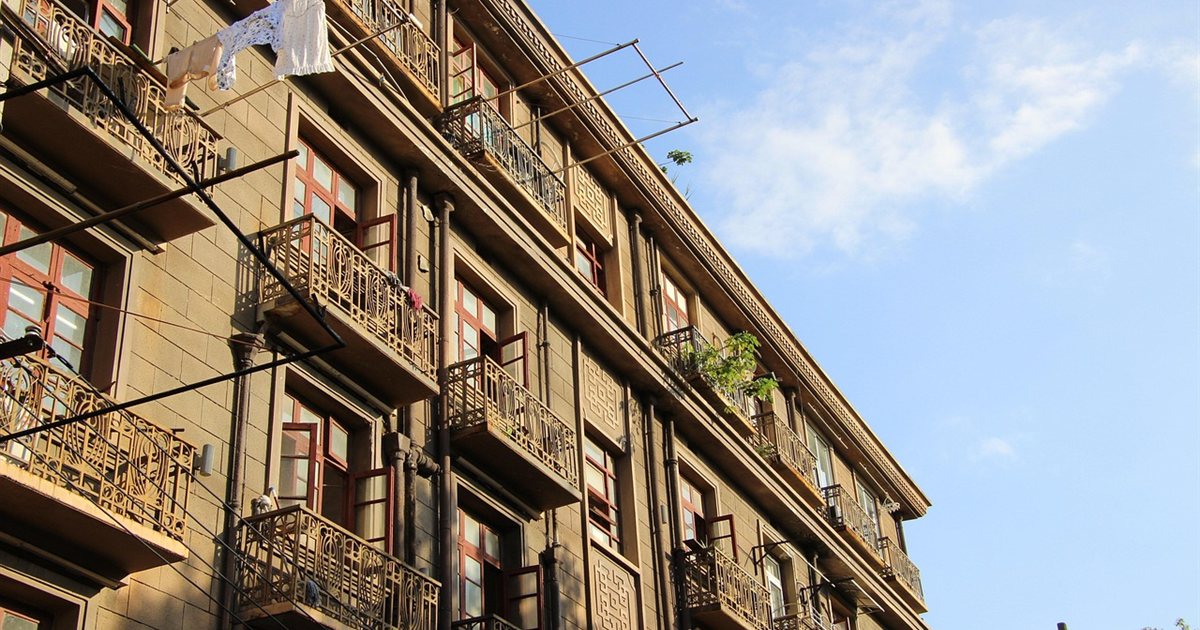
Deferred maintenance is the polite term for putting off repairs to save money today. The catch is that buildings don't wait. A problem you ignore doesn't stay the same size — it compounds, quietly, until the cheap fix becomes an expensive one. For landlords, deferred maintenance is the difference between a property that builds wealth and one that slowly eats it.
Why "patch it" is usually the expensive choice
A dripping pipe is a $20 part today. Ignored, it rots a subfloor, feeds mold, and becomes a multi-thousand-dollar remediation later. The pattern repeats across a building: small, boring upkeep is cheap; the failures it prevents are not. Deferring maintenance is essentially borrowing from the building's future at a brutal interest rate — which is the exact mechanic behind Landlord Clicker, where every problem you "paint over" instead of fixing comes back bigger.
The real cost of a rental: cash flow, not rent
New landlords often think profit is "rent minus mortgage." It isn't. True cash flow subtracts all the costs:
- Property taxes and insurance
- Repairs (the thing that breaks this month)
- Maintenance reserves (the roof, water heater, and HVAC that will break eventually)
- Vacancy (months with no tenant) and turnover costs
- Property management, if you're not doing it yourself
A common rule of thumb sets aside a slice of rent for capital expenses every month. Skip that reserve, and a single big-ticket failure can erase a year of "profit" overnight.
Most places impose an implied warranty of habitability: landlords must keep units safe, sanitary, and equipped with working essentials — heat, water, electricity, secure locks. This duty exists even if the lease doesn't mention it. Let deferred maintenance cross into habitability, and tenants may have the right to repair-and-deduct, withhold rent, or pursue legal action, depending on local law.
Deferred maintenance vs. neglect
There's a line between prioritizing repairs sensibly and letting a property decay. Cross it and the consequences stack up: unhappy tenants and turnover, code violations and fines, falling property value, higher insurance risk, and liability if someone is harmed by a known, unaddressed hazard. "Later" is rarely cheaper; it's just deferred — with penalties.
How good operators avoid the trap
- Fund a reserve every month so big repairs are budgeted, not emergencies.
- Do preventive maintenance — servicing systems before they fail is cheaper than replacing them after.
- Triage honestly: safety and habitability first, cosmetics last.
- Track the life expectancy of major systems so nothing is a surprise.
The bottom line
Deferred maintenance feels like saving money because the cost is invisible — right up until it isn't. The landlords who last treat upkeep as the price of owning the asset, not an optional expense. Paint over a problem and you don't remove it; you just schedule a bigger bill.
General information, not legal or financial advice. Landlord-tenant law varies by location.
Sources & further reading
Related
- ▶ Play Landlord Clicker — run an empire on deferred maintenance.
- 📖 Full Landlord Clicker guide
- 📚 More explainers in the Learn hub