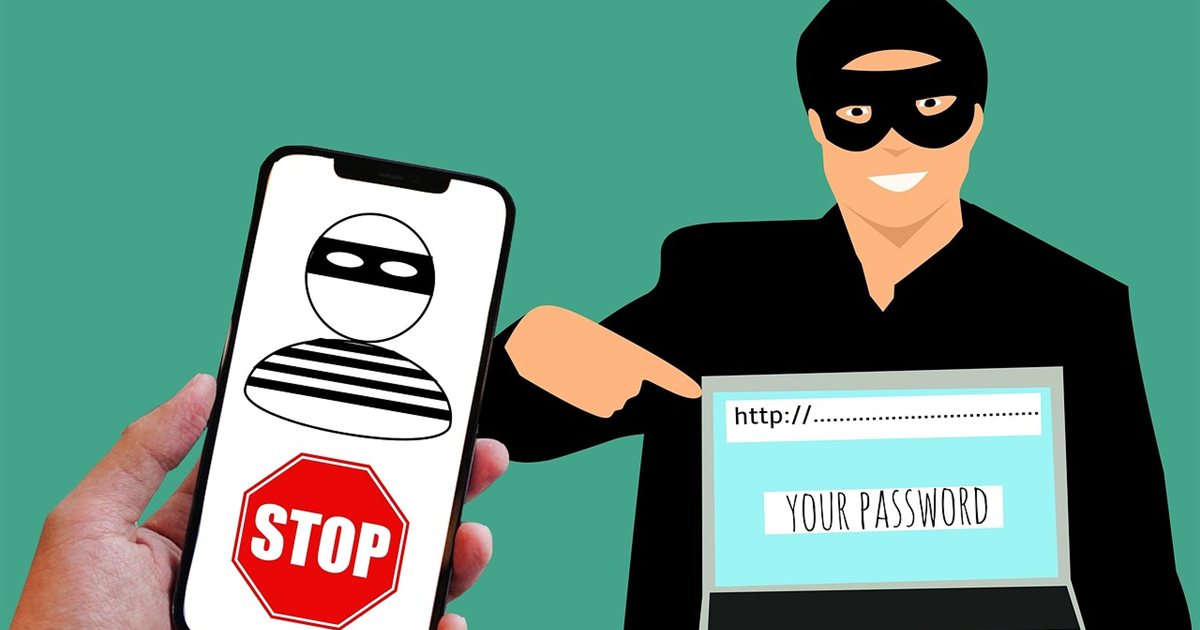
Scams used to look like scams. Now they have clean logos, pricing pages, podcasts, and "communities." Telling a real business from a fraud has become a genuine survival skill — so here's the practical version: the red flags that actually matter, the one distinction people get wrong, and how to verify a company before money leaves your account.
The one distinction people miss
A scam is illegal or fake. A real business is just legally allowed to disappoint you. That's the whole framework. A scam fabricates the product, the returns, or the opportunity. A real business can be overpriced, useless, annoying, or predatory — and still be entirely legal. Being gross is not a crime; being fake is. Most "is this a scam?" confusion comes from mixing up "bad" with "illegal."
The red flags (two or more = walk away)
- Guaranteed income or returns. The biggest tell. Nothing legitimate guarantees outcomes, least of all fast or large ones.
- Upfront fee to start earning. Real jobs pay you. Paying for a "starter kit," "certification," or "member portal" to access work is a scam structure.
- Vague mechanism. If you can't explain in one sentence how the money is actually made, that vagueness is deliberate.
- Manufactured urgency and scarcity. Countdowns, "price goes up at midnight," "only 3 spots left."
- Lifestyle over substance. Rented Lamborghinis, jets, mansions; testimonials doing all the heavy lifting.
- The only product is the opportunity. A course about selling the course. A system whose only output is more systems.
- Recruitment is the engine. If you earn mainly by enrolling other people, that's pyramid territory.
- Unsolicited contact. The "wrong number" text that becomes a mentor; the DM offering to recover your losses; the friendly stranger with a "proven" platform.
Any pitch built on a "secret" — a platform "banks hate," a loophole "they don't want you to know," a strategy that's "proprietary" — is selling secrecy because it can't sell substance. Real edges don't survive a sales page; secret ones never existed.
Why real businesses now sound fake
The confusing twist: legitimate companies adopted scam aesthetics because they convert. Funnels, urgency timers, and "transformation" language are now standard marketing. Meanwhile real startups solve genuinely absurd problems — software to track your other software, an app that screams before a free trial renews, a subscription box of artisanal ice cubes. So "this sounds ridiculous" is no longer evidence of fraud. You have to look at the mechanism and the math, not the vibe.
How to verify before you pay
- Search independently. Company name + "scam," "complaints," "lawsuit" — and read third-party results, not the testimonials on its own site.
- Check regulators. Investments: the SEC's Investor.gov and FINRA BrokerCheck. Everything else: the FTC, the FTC fraud reporting site, and your state's business registry.
- Find the real product. If the only thing for sale is the dream of making money, treat it as a scam until proven otherwise.
- Reverse-image-search the founder's "lifestyle" photos and the testimonial headshots — stock photos and rented props show up fast.
- Run the math. "2% daily" would own the planet within a year. If the promised numbers are impossible, the rest is theater.
If you think you've been scammed
Stop sending money immediately (recovery "agents" who ask for an upfront fee are a second scam). Document everything, contact your bank or card issuer about a chargeback, change reused passwords, and report it to the FTC (or your country's equivalent). Reporting won't always recover funds, but it feeds the databases that catch the next one.
The bottom line
You can't trust branding anymore — judge the mechanism, the math, and the proof. And keep the merciful loophole in mind: most things that merely annoy you are perfectly legal. The actual crimes are the ones promising you can't lose.
General information, not financial or legal advice.
Sources & further reading
- FTC - How to recognize and avoid scams
- U.S. SEC (Investor.gov) - Protect your investments from fraud
- FBI - Common scams and crimes