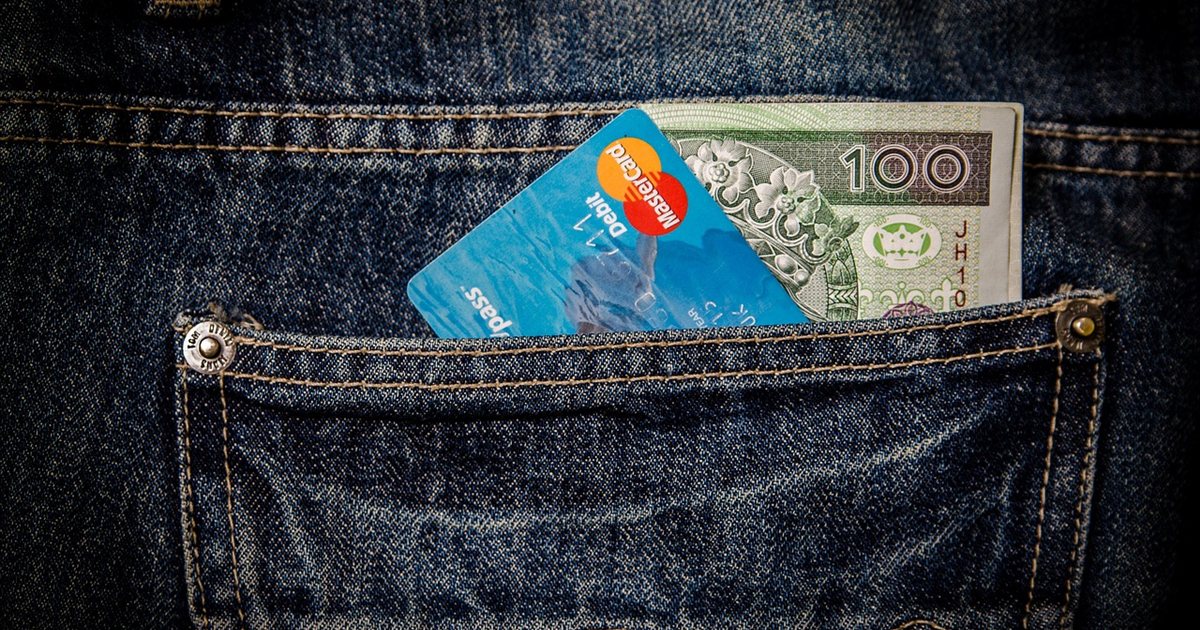
"Debt is bad" is the kind of advice that sounds responsible and quietly costs people money. Used carefully, debt is one of the few tools that lets ordinary people buy a home, get an education, or start a business decades before they could pay cash. Used carelessly, it's a treadmill that gets faster the harder you run. The difference isn't whether you borrow — it's what you borrow for, and what it charges you.
The two questions that define "good" debt
Stripped of jargon, debt is "good" when both of these are true:
- Does it build value or income? Borrowing to buy something that appreciates (a home), generates income (a business, certain qualifications), or replaces a bigger ongoing cost can grow your net worth.
- Is the interest rate low enough to make sense? A 6% mortgage on an asset that may appreciate is a very different animal from a 24% credit card on a sofa.
"Bad" debt flips both: it funds things that lose value or get consumed, often at high interest. The borrowed money is gone, the thing it bought is worth less every day, and the interest keeps stacking.
The usual suspects, sorted
Typically good (or at least defensible):
- Mortgages — secured against an asset, relatively low rates, and they replace rent. The classic wealth-building debt.
- Business loans — borrowing to create income, if the numbers genuinely work.
- Student loans — sometimes. Worth it when the qualification meaningfully raises lifetime earnings; a trap when it doesn't.
Usually bad:
- Credit-card balances — US card APRs commonly sit in the low-to-mid 20s%. Carry a balance and you're renting money at a brutal rate.
- Payday loans — annualised rates can exceed 400%. Designed to be rolled over, designed to trap.
- Financing a depreciating purchase — a long car loan on a vehicle losing value faster than you pay it down.
A useful rough rule: if the debt's interest rate is higher than the return you could reasonably earn elsewhere (and credit-card rates almost always are), paying it off is your best investment. Clearing a 22% balance is a guaranteed, tax-free 22% return — something no normal investment can promise.
Why "leverage" cuts both ways
Borrowing is leverage: it amplifies outcomes. Buy an appreciating asset with borrowed money and your gains are magnified. But leverage is symmetric — if the asset falls, or the income doesn't show up, the loss is magnified too, and you still owe every penny. That's why "good" debt stops being good the moment the payments are more than you can comfortably carry. A sensible mortgage becomes bad debt at 50% of your take-home pay.
How to keep your debt on the right side
- Kill high-interest debt first. Mathematically, nothing beats clearing 20%+ balances before investing.
- Never finance a want at a high rate. If you can't afford it without expensive credit, the credit is the warning sign, not the solution.
- Judge total cost, not the monthly payment. Lenders sell you a comfortable monthly number; the real price is the interest over the full term.
- Keep a buffer. Good debt turns bad fastest when an emergency forces you onto expensive credit to cover the basics.
Sources & further reading
Related
- 💰 Are You Bad With Money Or Just Underpaid? — separate a habits problem from an income problem.
- 📚 How credit card interest works — why the minimum payment is the trap.
- 📚 What is APR? — the number that tells you the real cost of borrowing.
- 📚 More explainers in the Learn hub