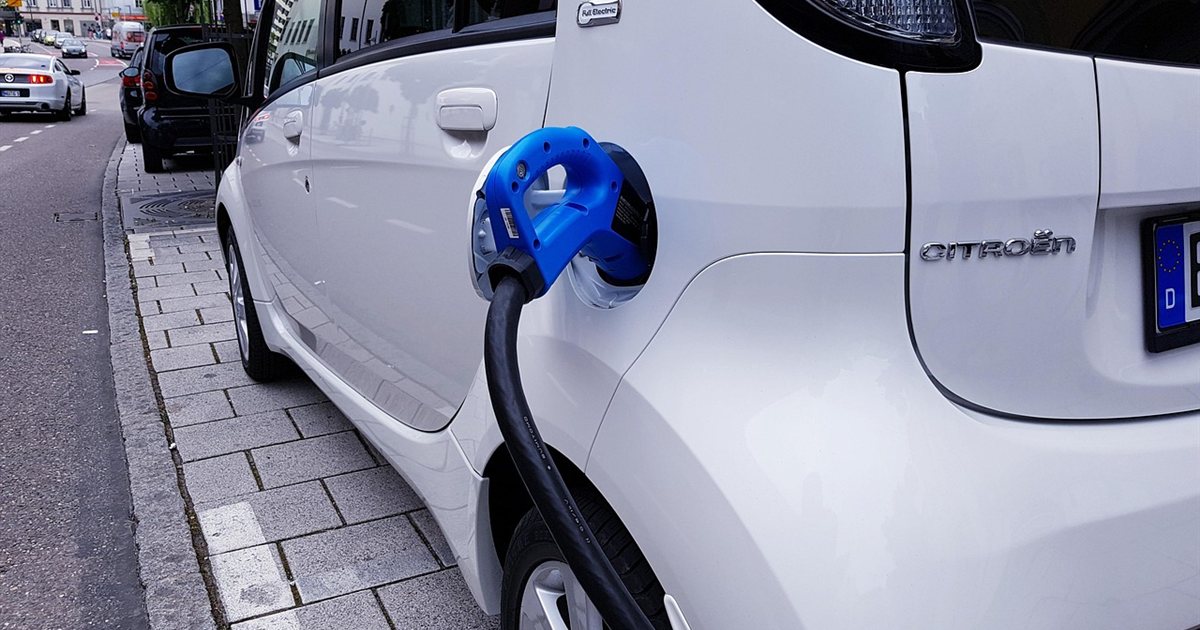
Range anxiety is the worry that your electric vehicle will run out of charge before you reach your destination — or the next working charger. It's the single most cited reason people hesitate to go electric. The good news: it's mostly a knowledge problem. Once you understand what actually drains a battery, the fear becomes a plan.
Why "rated range" isn't your real range
The range on the window sticker comes from a standardized test under controlled conditions. Real driving is messier. Your actual range depends on speed, temperature, terrain, cargo, tire pressure, and how you use the pedal. It's a lot like the gap between a car's official fuel-economy figure and what you really get — except with an EV the swing can be larger and more visible minute to minute.
The big range killers
- Cold weather. Low temperatures reduce the battery's usable capacity and the cabin heater pulls power straight from the pack. Winter can erase a meaningful chunk of range.
- High speed. Aerodynamic drag rises sharply with speed. Highway cruising at 80 mph uses far more energy per mile than 60 mph.
- Climate control. Unlike a gas car, an EV has no waste engine heat to warm the cabin — heating and cooling come out of your driving budget.
- Hills and load. Climbing and heavy cargo cost energy; regenerative braking returns some of it on the way down, but not all.
EVs recover energy when you slow down, feeding it back into the battery. It softens the cost of stop-and-go city driving — which is why an EV often gets better range in town than on the highway, the reverse of a gas car.
Charging, and why the last 20% is slow
Charging isn't linear. On a DC fast charger, an EV gulps power from roughly 10% to 80%, then deliberately slows down to protect the battery — so topping the final 20% can take as long as the first 60%. That's why road-trip strategy is usually "charge to 80% and go," not "fill it up." For battery health, most owners keep daily charging between about 20% and 80% and save 100% for trip days.
Beating range anxiety in practice
- Plan around chargers, not just distance — and have a backup stop.
- Precondition the cabin while still plugged in, so heating/cooling doesn't eat driving range.
- Ease off the highway speed when range is tight; slowing down buys miles.
- Don't run to zero. A buffer is peace of mind, and it's kinder to the battery.
That tense math — watching the percentage fall while home is still far away — is exactly the feeling Battery Run turns into a game: keep the charge alive long enough to make it.
The bottom line
Range anxiety isn't really about the battery; it's about uncertainty. Cold, speed, and climate control are predictable drains, charging follows a known curve, and a little planning turns "will I make it?" into "I know exactly where I'm stopping." The range is the number; how you drive decides how much of it you keep.
Sources & further reading
- U.S. DOE - Electric vehicles (fueleconomy.gov)
- U.S. DOE Alternative Fuels Data Center - Electric vehicles
Related
- ▶ Play Battery Run — survive the longest commute of your life.
- 📖 Full Battery Run guide
- 📚 More explainers in the Learn hub